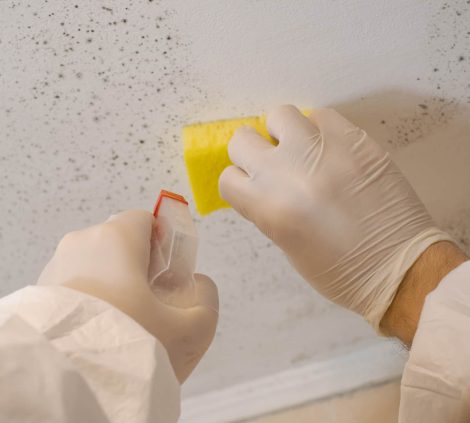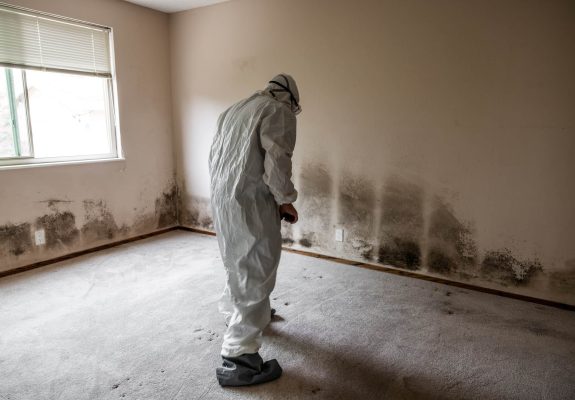
Mould spores are a natural and ever-present part of our environment. They exist in the air around us at all times, both indoors and outdoors, and form part of the normal ecological balance. In typical conditions, mould spores remain dormant and harmless.
However, changes in weather patterns, temperature, ventilation, humidity levels, and building performance can significantly influence how mould behaves. What is considered ‘normal’ or ‘typical’ spore presence can vary widely depending on location, season, construction type, and occupancy patterns, particularly within the UK’s temperate and moisture-prone climate.
For mould to grow (also referred to as germination) several key conditions must be present. While mould spores themselves are unavoidable, growth only occurs when the following factors combine:
When moisture is present for a sustained period, mould spores can germinate rapidly, often becoming visible only after colonisation is already well underway.
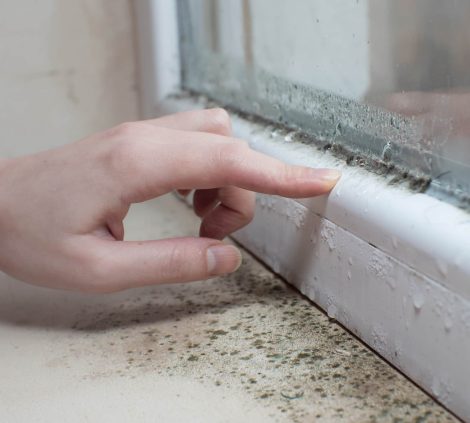
Commonly found on damp walls and ceilings, HVAC systems and air handling units, and within dust, insulation materials, and stored organic matter. Typically favours warmer indoor environments, though some species tolerate cooler conditions.
Frequently encountered on water-damaged plasterboard and wallpaper, carpets and soft furnishings, and timber and composite building materials. Able to grow in cooler environments.
Commonly found on window frames and reveals, bathrooms and kitchens, and painted surfaces and sealants. Can grow in both indoor and outdoor environments, often resulting from intermittent condensation.
Associated with severely water-damaged plasterboard, timber, fibreboard, and paper-backed materials, and areas affected by long-term leaks or flooding. Requires prolonged saturation and cellulose-rich materials to grow.
Found in wet plaster, insulation, and timber, and behind wall linings and floor coverings in areas affected by flooding or persistent leaks. Requires high moisture content over extended periods.
Recent years have seen increased regulatory focus on damp and mould within residential and rented accommodation. Notably Awaab’s Law, introduced in 2025, places stricter legal responsibilities on landlords and property managers to investigate and remediate damp and mould hazards within defined timescales.
These changes reinforce the importance of timely investigation, accurate diagnosis, and competent remediation, ensuring properties remain safe, habitable, and compliant.
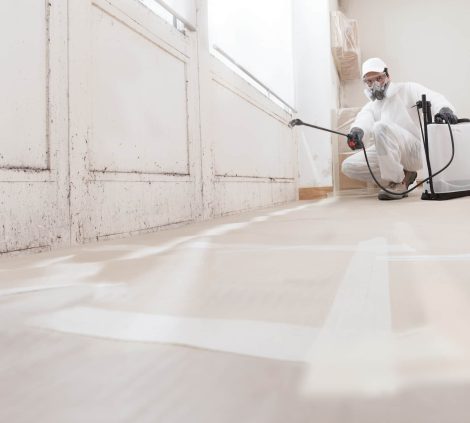
Effective mould treatment goes beyond removing visible growth. Inadequate or superficial cleaning may temporarily improve appearance but often leaves contamination and underlying causative factors unresolved, significantly increasing the risk of recurrence.
Incorrect treatment can also present risks to occupant health. Prolonged or repeated exposure to mould-contaminated environments has been associated with exacerbation of respiratory conditions, persistent irritation, and increased allergic responses.
For these reasons, mould remediation must address both contamination and causation. As detailed on our Mould Remediation Treatment page, our structured, multi-stage approach is designed to achieve effective decontamination, reduce the risk of reoccurrence, and provide confidence that the environment has been returned to a condition suitable for continued occupation.